Instituto Terra
Instituto Terra was started in 1998. Brazilian photographer Sebastião Salgado and his wife Lélia Deluiz Wanick Salgado returned to Lélia’s family cattle ranch in Aimorés, Minas Gerais, only to find the land devastated. What was once a thriving forest had become a barren landscape.
Rather than accept this loss, they decided to act. They founded Instituto Terra and received an unprecedented title: a Private Natural Heritage Reserve (RPPN) granted to a degraded area, conditional on its complete restoration.
What Instituto Terra Has Achieved
Instituto Terra has become a national benchmark in ecosystem restoration. Its accomplishments include:
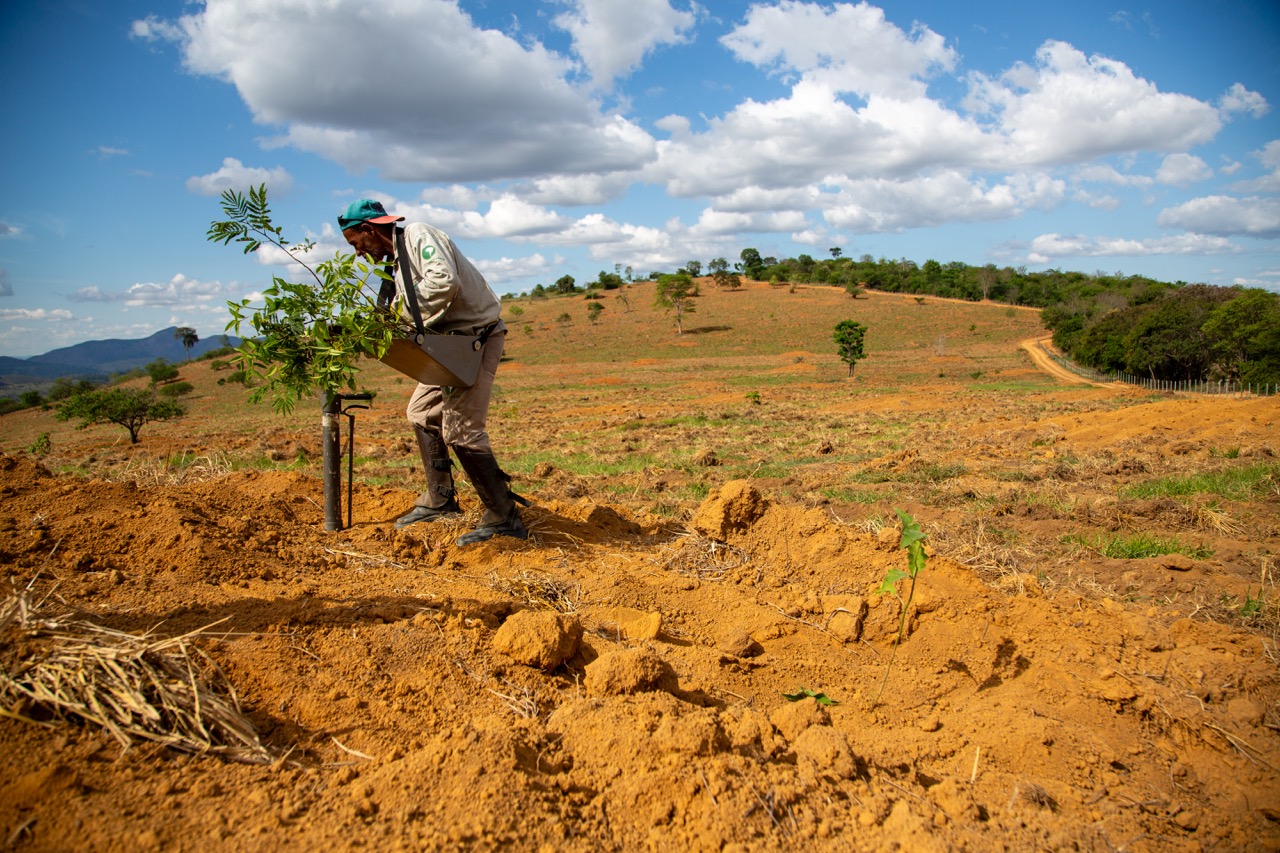
- Over 3 million trees planted across what was once barren pastureland
- More than 700 hectares of mature, thriving forest with a closed canopy and dense understory that reproduces on its own
- 36 springs recovered in the Doce River Basin through the Olhos D’Água program, bringing water back to entire communities
- More than 230 species of animals returned to the region, including jaguars, howler monkeys, ocelots, and anteaters
- Over 588 farming properties currently participating in their agroforestry programs, with a goal of reaching 2,000
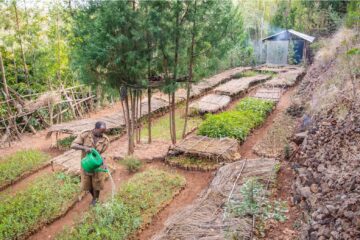
- A new nursery capacity of 1 million seedlings annually
The organization has tripled its scope. Instituto Terra has expanded its managed territory from just over 700 hectares to more than 2,300 hectares—a growth of over 228%. And through the Terra Doce Program, they are working to revitalize more than 4,200 springs across the Doce River Basin, one of the most important waterways in southeastern Brazil.
The Challenge They Now Face
As Instituto Terra scales up its restoration work and prepares to support 2,000 local farming families through agroforestry systems, its current equipment and nursery capacity can no longer keep pace with demand.
The organization’s two existing tractors are working tirelessly, but they cannot cover 2,300 hectares alone. Their new nursery expansion will double seedling production from 500,000 to 1 million annually—yet they have no forklift to move supplies efficiently. And with coffee and cocoa seedling prices rising sharply on the open market, they need to begin producing their own.
The Three Investments Needed
1. Agricultural Tractor
To meet their restoration goals in the newly added areas (A, B, C, and D), Instituto Terra needs a third agricultural tractor. This machine will help them prepare the soil, plant native species, and maintain growing forests efficiently. Without it, they risk delaying restoration in areas that are critical for water security and biodiversity.
2. Gas-Powered Forklift
Their new nursery will produce 1 million seedlings per year to support the Terra Doce Program’s focus on springs and agroforestry systems. More seedlings mean more movement of supplies, raw materials, and palletized cargo. Currently, the organization has no forklift at all. A gas-powered forklift will allow their team to work safely, reduce manual labour, and keep up with the increased flow of materials.
3. Revamping the Native Seedling Nursery
One of Instituto Terra’s proudest commitments is helping local farmers increase their income through agroforestry. Until now, they have had to buy coffee and cocoa seedlings on the open market. But with prices rising sharply, that approach is no longer sustainable.
In 2026, Instituto Terra will begin producing its own coffee and cocoa seedlings. To do that, they need to adapt their original native seedling nursery—new irrigation, shading, benches, and layouts. This revamp will make the organization self-sufficient and more resilient to market shocks, allowing them to focus resources on what matters most: restoration and community support.
Why This Matters
These are not just equipment purchases. They are tools for restoration, community income, and long-term environmental resilience. With partner support, Instituto Terra can:
- Restore more hectares, faster
- Produce 1 million seedlings annually
- Support 2,000 local farming families with coffee, cocoa, and native species
- Reduce dependency on volatile markets
- Continue bringing water back to the Doce River Basin
The Overseas Resources Foundation will support Instituto Terra with the three requests to help them turn their newly acquired 2,300 hectares into thriving forests.